J&J Development Remodeling INC
-
Phone Number
(661) 675-6520 -
Email
joseph@jjdevelopmentinc.com -
Work Hours
8:00 AM - 6:00 PM
ADU Construction 101: What Every Homeowner Needs to Know
If you are wondering what to know before building an ADU, you have already taken the first smart step. Maybe you are picturing a backyard cottage for your parents, a private rental unit, or just some extra space that pays for itself. Turning that picture into reality starts with understanding the basics of what ADU construction is.
Think of this guide as your friendly guide. We are going to walk through the entire journey together, from finding out if your yard is a good fit all the way to the final walkthrough. It is simpler than it seems when you take it one step at a time.
So, let us start at the very beginning. What exactly are we talking about when we say someone is building an ADU?
What Counts as an ADU?
Now, let us answer that first big question. Simply put, ADU in construction refers to the process of adding a complete, independent living space to your existing property. This is not just a fancy shed or a spare room. To truly count as an ADU, the space needs its own key ingredients: a separate entrance, a place to sleep, a full kitchen, and a bathroom.
Think of it like a mini home. It can be attached to your main house, like converting a garage or building an addition. Or it can be a completely separate little house in your backyard, often called a backyard cottage or granny flat. This versatility is what makes them so popular, whether you are creating an ADU for elderly parents who want to be close but keep their independence, or setting up a rental for a young family.
Understanding this definition is your foundation. It helps you visualize what you are building and, more importantly, it leads directly to the next logical question: can you actually build one on your property?
Determining If You Can Build an ADU
Can I build an ADU in my backyard? That is the million dollar question, right? The answer is not a simple yes or no for everyone. It really depends on your specific patch of land and your city’s rulebook.
First up, your local government has a set of local ADU codes. These are the rules that say how big your lot needs to be, how far the new building must be from your fence (these are called setbacks), and how much of your yard can be covered. It might sound like a lot, but it is just their way of making sure everything is safe and fits the neighborhood.
The best first move is to check your city’s website or call your local planning department. They can tell you the specific legal requirements for ADU projects in your area. Some places even have a quick online tool where you punch in your address to get a basic yes or no. Doing this homework upfront saves you a huge headache later, because once you know the rules, you can start dreaming about the fun part of the actual ADU layout ideas.
Planning Your ADU: Layout, Design, and Pre-Approved Plans
Now for the fun part. Dreaming up how your new space will look and work. This is where those ADU layout ideas start to come to life. Think about who will use it. Does your mom need everything on one floor? Will a tenant need a dedicated workspace? Asking these questions helps you maximize every square foot.
Here is a pro tip that can save you time and money: look into ADU pre approved plans. Many cities have a catalogue of designs that are already checked against all the local building rules. Using one of these can seriously speed up getting your ADU construction plans approved, because the city already knows they meet the code. It is like choosing from a menu instead of inventing a whole new recipe.
Whether you pick a pre approved plan or draw up something custom with a designer, the goal is the same. You are creating a set of ADU construction plans that are ready for the next step, which is all about turning those paper plans into official permission to build.
ADU Construction Process Step by Step
Alright, you have your plans. Now, how does this whole thing actually get built? Understanding the ADU construction process helps you see the road ahead, so nothing feels like a surprise. Let us break it down into clear stages.
Step 1: The Paperwork and Permission Stage
This is all about your ADU permits. You will submit your finalized ADU construction plans to your city’s building department for review. They check everything against those ADU regulations we talked about earlier. This step requires some patience, but it makes sure your project is safe and legal from the start.
Step 2: Site Prep and Foundation
Once you have that permit in hand, the physical work begins. Crews will prepare your site and pour the foundation. This is where your backyard starts to look like a construction zone, but it is the essential base for everything that follows.
Step 3: Framing, Roof, and “Drying In”
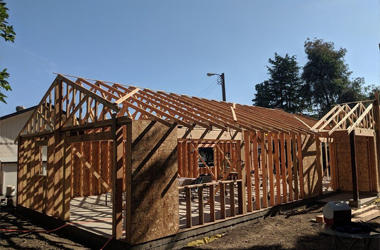
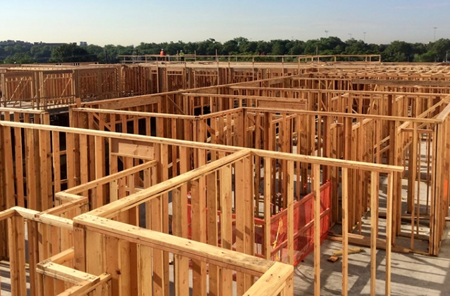
Next, the skeleton of your ADU goes up. This is the framing, followed by the roof and exterior walls. This stage, called “drying in,” is exciting because you suddenly see the shape and size of your new space. It also protects the inside work from the weather.
Step 4: Running the Guts (Utilities)
Now, the electricians and plumbers come in to install all the wiring, pipes, and HVAC ducts. Think of this as putting in the nervous system and veins of your ADU. It is all behind the walls, but it is what makes the space livable.
Step 5: Interior Finishes and Inspections
Finally, the fun stuff you see. Insulation goes in, then drywall, paint, flooring, cabinets, and fixtures. Crucially, the building inspector will visit at key points to make sure everything meets code. Passing these inspections is your green light to finish up.
Each of these steps moves you closer to a complete, legal unit. And of course, every step in this ADU construction process has a cost attached to it, which leads us to the next big topic everyone thinks about.
ADU Construction Costs and Budgeting
Let us talk numbers. It is probably the question you have been waiting to ask: what is the real ADU construction cost? While prices change wildly based on size, finishes, and where you live, having a ballpark figure helps you plan.
So, what can you expect? For a basic, well built detached ADU, total ADU construction costs often fall between $150,000 and $300,000. A simpler garage conversion might range from $80,000 to $150,000. These figures include design, permits, materials, and labor.
To get a more precise picture for your own project, you will want a detailed ADU cost estimate from a few local contractors. This breakdown should cover site work, foundation, framing, roofing, plumbing, electrical, insulation, and all those interior finishes. Remember, the ADU construction plans you chose greatly decide this final number.
Now, this brings up another great question people have: is it cheaper to add on or build an ADU that is detached? Generally, adding on (an attached ADU) can be less expensive per square foot because it shares a wall with your main house. However, a detached unit often adds more value and privacy. The “cheaper” option truly depends on your property layout and your long term goals.
Permits, Regulations, and Legal Considerations
We have touched on permits already, but let us zoom in on why this is so important. Navigating ADU permits and ADU regulations is not just red tape. It is the process that turns your project from a great idea into a safe, legal, and valuable addition to your home.
Remember those local ADU codes we looked up in the beginning? This is where they really come into play. Your city will check that your design respects lot coverage limits, setback rules, and height restrictions. They will also make sure your plans meet all the legal requirements for ADU construction, which cover everything from electrical safety to energy efficiency standards.
The key is to see your city’s building department as a partner, not a hurdle. They are there to help you build something that is safe and lasts. Staying on top of this paperwork and scheduling required inspections during construction is what ultimately gets you that final certificate of occupancy. That little piece of paper is your official proof that your new Accessory Dwelling Unit is ready for someone to call home.
Tips, Design Ideas, and Accessibility Considerations
Even with the official stuff handled, how you finish your ADU makes all the difference in how it feels to live in. This is your chance to inject some smart personality into the space.
If you are building an ADU for elderly family members, small choices have a big impact. Think about a step free entrance, wider doorways for a walker or wheelchair, and a walk in shower with grab bars. Planning for these features from the start is much easier than adding them later.
For any ADU, clever ADU layout ideas can make a small space feel huge. An open floor plan combines the living, dining, and kitchen areas. Using lofted beds or built in storage furniture frees up precious floor space. Large windows not only bring in cheerful light but also make the rooms feel more connected to the outdoors.
These finishing touches are what transform a construction project into a beloved home. And now that you have journeyed from the first idea to the final design details, you have a complete picture of what it takes.
Build Your Dream ADU
You have just walked through the complete ADU construction 101 guide. From asking “can I build this?” to understanding costs, permits, and clever design, you are now equipped with the knowledge to start your project with confidence.
To make your dream space truly feel like home, you need an expert team on your side. At J & J Development Remodeling INC., we provide professional ADU construction with the right crew to help bring your vision to life. Give us a call at (661) 675-6520 or visit https://jjdevelopmentinc.com/adu-construction/ to learn more about how we can help you build.
Frequently Asked Questions
In construction, ADU stands for Accessory Dwelling Unit. It is a complete, independent living space built on the same property as your main home, with its own kitchen, bathroom, and entrance.
Generally, an attached addition (adding on) can be less expensive because it shares a wall with your house. However, a detached ADU often offers more privacy and can add more value.
No, ADU legality depends on your local city or county zoning rules. Many areas now allow them to create more housing, but you must always check your specific local ADU codes and legal requirements for ADU projects first.
An ADU can significantly increase your property value, often by much more than the construction cost, by adding rental income potential and extra living space.
The average ADU construction cost varies widely, but a typical detached unit often ranges from $150,000 to $300,000. Simpler projects like garage conversions can start around $80,000.