J&J Development Remodeling INC

7 Commercial Remodeling Planning Steps in 2026

7 Commercial Remodeling Planning Steps in 2026

Ever walked into your office building and felt like it’s stuck in a time capsule? You know the feeling. The lobby that whispers 2005, the kitchenette that’s seen better days, and that weird layout that makes every meeting feel like a maze. It happens to the best of us.

If you’re sitting there thinking, “how to plan a commercial remodel without it becoming my full time job?”—take a deep breath. You’re in the right spot. We’re going to break down the whole planning a renovation step-by-step process into bite sized pieces, so it feels less like a construction nightmare and more like a smart business upgrade.

This isn’t just about new paint. It’s about creating a space that works for you in 2026, saves you money, and actually makes people happy to show up. Let’s get started.

Step 1: Define Your Goals and Assess Your Building

So, you’ve admitted your building has a slight case of the “old news.” Good. That’s the spark. But before you even think about sledgehammers or swatches, we need to answer the big question: “what is the first step in planning a remodeling or renovation project?”

It’s this: Stop thinking about things and start thinking about feelings and functions. What do you want this space to do? Maybe you need your team to collaborate better in a post-zoom world, or you want to woo clients the second they walk in. Perhaps those energy bills are giving you heartburn every month.

Here’s your two part mission:

Define Your “Future-You” Goals. Grab a coffee, sit in that weirdly shaped conference room, and make a list. Is it about boosting morale? Attracting top talent? Passing that upcoming building inspection with flying colors? Be specific. “Look nicer” is vague. “Create an Instagram-worthy lobby that makes clients go ‘wow’” is a goal.

Play Building Detective. This is where we swap the coffee for a clipboard. You need an honest assessment of your property’s bones. Think of it like a home inspection before you buy, but for the place you already own. Check the basics:

  • The Structure: Any mysterious cracks or doors that won’t close?
  • The Guts: How’s the plumbing whispering? Is the electrical panel living in the past?
  • The Comfort System: Is your HVAC system older than your newest intern?

This isn’t about finding scary problems (though we might). It’s about knowing exactly what you’re working with. This honest look is the foundation of your entire commercial planning process. You can’t draw the map if you don’t know the starting point.

Step 2: Set a Realistic Budget 

Alright, you’ve got your dream list. Now, let’s have the honest money talk. This is where your commercial renovation project plan gets real.

Creating this budget is like packing for a big trip. You pack the essentials (materials, labor, permits), but you also tuck an emergency fund in your sock, just in case. Here’s how to pack smart:

First, list the obvious stuff: New flooring, lights, drywall, and the labor to install it all. Get quotes, don’t guess. Then, add the “admin” stuff everyone forgets: permit fees, dumpster rentals, and maybe even a temporary coffee station for your team.

  • Now, here’s the pro move: Set aside a chunk of change, we’re talking 15-20% of your total, for the “oops” fund. Found surprise plumbing behind that wall? No problem. Material prices jumped? Covered.

Finally, be a savvy spender. Ask yourself: “Which upgrades pay me back?” Putting money into better insulation or a super-efficient HVAC might cost more now, but it cuts bills for years. That’s a smart investment, not just an expense.

Getting your numbers straight here does two huge things: it makes you a prepared boss when talking to contractors next, and it’s the cornerstone of your entire commercial construction planning. 

Step 3: Choose the Right Contractor

You’ve got your vision and your budget. Now you need the team to make it real. This isn’t just about hiring muscle; it’s about partnering with a Commercial remodeling company that gets it.

So, how do you find “The One”? Skip the flashy ads and do a little detective work.

First, check their ID. A trusted commercial remodeling services provider will have a current license, solid insurance, and a portfolio of projects that look like yours. Don’t be shy—ask for it! Then, go a step further and actually call their past clients. Ask the real questions: “Were they on time? Did they clean up? How did they handle a surprise problem?”

When you sit down to talk about a contract, remember your homework from Step 2. A clear budget makes this chat way easier. Nail down the scope so nothing gets confused. Get specific on timelines. And please, make sure warranties for their work are in writing. A handshake won’t fix a leaky roof in two years.

Choosing the right partner is what turns planning a commercial remodel into a smooth reality. They’re the ones who will help you navigate the next important step.

Step 4: Obtain Permits and Legal Approvals

Let’s talk about everyone’s favorite topic: government paperwork! Just kidding. But seriously, this step is the unsung hero of a smooth project. Your awesome contractor will be a huge help here, but understanding the “why” keeps you in the driver’s seat.

Skipping permits is like driving without a license; it seems fine until you get a massive fine (or a stop-work order). Permits make sure your dream remodel is safe, legal, and up to code. We’re talking building permits for the big stuff, demolition permits before you swing that hammer, zoning permits to keep the city happy, and ADA compliance so your space is welcoming to everyone.

Your best bet? Lean on your contractor’s experience. A good one knows how to handle the local permit office, what drawings are needed, and how to speak the bureaucratic language. Your job is to ask, “What permits do we need, and what’s the timeline?” Getting this squared away early is the secret to avoiding the biggest common mistakes in commercial renovations. It’s the boring glue that holds your entire remodeling commercial building project together and keeps it moving on time.

Step 5: Plan the Remodel Construction Schedule 

Okay, the legal stuff is filed. Now, let’s answer the question you’ve probably been asking: “How long is this actually going to take?” This is where you build your remodel construction schedule. 

Forget one giant end date. The trick is to break the project into clear phases with mini-deadlines. Your contractor will map out a typical remodel schedule: demo first, then framing, then the “guts” like electrical, and so on. Your superpower here is planning a commercial remodel around your business life. Maybe the noisy demolition happens over a weekend. Perhaps you renovate one floor at a time to keep operating.

Here’s one of the best tips for remodeling commercial property: bake in buffer time. If you think a phase will take two weeks, schedule three. This cushion eats up the unexpected. It’s not a delay; it’s smart planning.

Use these phases as check-in milestones. Hitting “drywall complete” is a chance to celebrate a win and make sure you’re still on track for the grand finale. A clear schedule is what transforms this from a mess into a manageable process.

Step 6: Integrate Sustainability and Modern Features 

Sticking to a schedule is great, but what you put into that schedule matters just as much. This is where your project gets its 2026 edge. Think beyond basic updates. This is your chance to make your space work smarter, cheaper, and cooler.

Integrating sustainability isn’t just about being green; it’s about being savvy. Upgrading to LED lighting, high-efficiency HVAC, and smart thermostats might cost a bit more upfront, but they cut your utility bills for good. That’s a return on investment you can actually measure.

This is the heart of true commercial remodeling planning. It’s asking, “How can this space serve us better in five years?” Maybe it’s pre-wiring for future tech or choosing timeless, durable finishes over fleeting trends. The goal isn’t to add every gizmo, but to choose features that match your goals and make daily life easier.

These smart choices are what turn a simple remodeling a commercial property into a valuable, future-proof asset. They’re the features that attract great tenants and make your building stand out. And the best part? Once these systems are in, they quietly do their job, requiring little more than a final check-up to ensure they’re perfect.
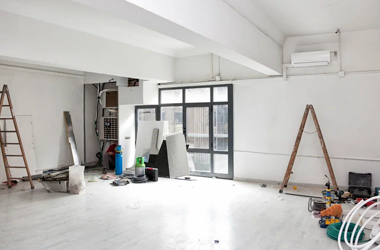
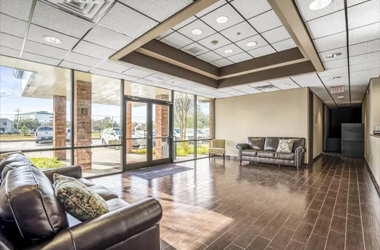
Step 7: Inspect, Finalize, and Refine Post-Renovation

The dust is settling, the new space is shining, and you’re almost there. But don’t pop the champagne just yet! This final step is about dotting the i’s and crossing the t’s. It’s what separates a good project from a great one.

First comes the official sign-off. Your contractor will walk you through final inspections, making sure every outlet works, every door closes smoothly, and everything meets the safety codes we talked about. This is your moment for a careful “punch list.” Notice a tiny paint drip or a cabinet door that doesn’t align perfectly? Write it down. A pro team will fix these in no time.

Then, do your own inspection: gather feedback. Ask your team how the new layout feels. Do clients compliment the new lobby? This feedback is pure gold; it tells you if you nailed the goals.

Following this final checklist is the capstone of your 7 steps of project planning. It makes sure your commercial property remodeling investment is fully realized, polished, and ready to deliver value. Once you’ve got that final certificate of occupancy, that’s it. You’ve successfully navigated your commercial renovation timeline from a dated building to a great asset.

Ready to Build Your 2026 Space?

And there you have it! We just walked through the entire journey, from that first “time capsule” feeling to unlocking the doors of your efficient, and perfectly polished space. You started with a vision, built a solid plan, navigated the details, and finished with a final check that ensures every piece fits.

Ready to make this your reality? At J & J Development Remodeling INC., we provide expert Commercial Remodeling & Construction Services designed to build your vision with confidence, so you can have peace of mind knowing your project is in skilled hands. Have a question or want to start planning? Give us a call at (661) 675-6520 or visit https://jjdevelopmentinc.com/commercial-remodeling-construction/ to see how we can help transform your property.
5 Basement Waterproofing Methods Compared

5 Basement Waterproofing Methods Compared

Alright, hands up if your basement smells like a wet sock. Or maybe you’ve got a puddle forming by the washing machine every spring. We’ve all been there. That smell and those mystery puddles are your house’s way of saying “I need some help down here!”

So, you’ve probably Googled, “how do you waterproof a basement that’s always damp?” Good question. Because doing nothing isn’t an option. That dampness can turn into mold, wreck your stored holiday decorations, and even cause some serious foundation issues.

The good news? You don’t need to be a contractor to figure this out. We’re going to break down the five main basement waterproofing methods, so you can find your fix and reclaim your basement from the creepy-crawly damp.

How to Identify Basement Water Problems

Before we jump into the solutions, let’s make sure we’re fixing the right problem. Sometimes the signs are obvious, other times, they’re not.

Here’s what to look for, besides the obvious puddle:

  • Musty Smell: That musty odor is a dead giveaway. It’s not just old air; it’s the scent of mold or mildew starting to party in your damp basement waterproofing section.
  • White, Chalky Dust on Walls: See a white, powdery line on your concrete walls? That’s called efflorescence. It’s basically salt left behind after water travels through the wall and evaporates. It’s a sign that moisture is on the move.
  • Bubbling Paint or Warped Paneling: If your wall finish looks like it has a skin condition, water vapor pushing from behind is usually the reason.
  • Random Dark Patches or Streaks: These are water stains. They’re like a map showing you where the leaks have been, even if they’re dry now.
  • Cracks in Walls: Small hairline cracks happen. But if you can slide a coin into a crack in the wall or floor, it’s a direct highway for water.

Think of these signs as your basement sending you a text message. Ignoring it won’t make the problem go away; it just lets the issue get bigger and more expensive. Spotting these early is the first step to choosing the right fix from the types of basement waterproofing we’ll talk about next.

Quick Comparison Table of Types of Basement Waterproofing

Alright, so you’ve spotted the signs. Now you’re wondering, “What does fixing this actually look like, and what’s it going to cost?” Let’s cut to the chase.

Here’s a quick snapshot of your main options. Think of this as your menu before we dive into the details of each “dish.”

Method

Best For

Cost Estimate

Lifespan

Maintenance

Interior Basement Waterproofing

Minor leaks & wall seepage

$500–$1,500

5–10 yrs

Annual inspection

Exterior Basement Waterproofing

High water pressure & persistent seepage

$8,000–$15,000

20–30 yrs

Minimal upkeep

French Drain / Interior Drainage

High groundwater

$3,000–$6,000

15–20 yrs

Annual cleaning

Crack Injection / Wall Sealing

Localized cracks & leaks

$300–$1,200

10–15 yrs

Check every 2–3 yrs

Sump Pump Systems

Flood-prone areas

$1,000–$2,500

8–12 yrs

Quarterly testing

See a method that sounds like it fits your situation and budget? That’s the point of this table. Now, let’s get into the details of each one, starting with the most common first step people take, which is waterproofing inside basement with sealants. 

Interior Basement Waterproofing

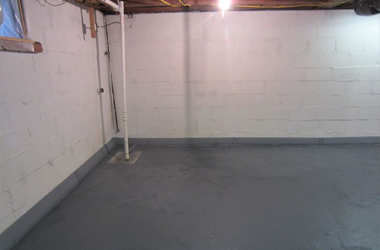
So, your walls feel damp or look a little sweaty, but there’s no rushing river. This is probably where you start waterproofing your basement. Using an interior basement waterproofing sealer is like putting a waterproof coat of paint on the inside of your basement walls and floor.

You clean the concrete, maybe fill some tiny cracks, and roll or brush on a special basement waterproofing sealer. This creates a barrier that blocks moisture vapor from seeping through. It’s a popular choice for waterproofing basement walls from inside.

Pros:

  • Budget Friendly: It’s the most affordable option upfront.
  • DIY Project: You can tackle this over a weekend.
  • Quick Fix: Great for calming down minor dampness and musty smells.

Cons:

  • Not a Cure: It doesn’t stop water pressure from the outside. If you have a real leak, the pressure can just push the sealant right off the wall.
  • Short Shelf Life: You might be reapplying it every few years.
  • Can Trap Moisture: In some cases, it can trap moisture within the wall, which isn’t ideal.

That persistent damp feeling, light condensation, or as a temporary hold until you can do a bigger fix. It’s a good first step, but if your problem is more like “water feature” and less like “damp wall,” you’ll need to look at the drainage solutions.

Exterior Basement Waterproofing

If interior sealants are a band-aid, then external basement waterproofing is major surgery. This is the big one. When people ask, “how to waterproof the basement from outside for good?” – this is the answer. It involves digging a trench all around your house down to the foundation footings.

How it works is that contractors excavate the soil, clean the foundation walls, and apply a thick, tar-like or rubberized membrane. They often add a special drain board and a pipe at the footing to catch any water and send it away. It’s the ultimate waterproofing basement walls from outside.

Pros:

  • Stop Water at the Source: It tackles the problem before water even touches your basement wall.
  • Longest Lasting: Done right, this can protect your home for decades.
  • Handles Pressure: It’s designed to withstand serious hydrostatic pressure (that’s the force of water in the soil).

Cons:

  • Major Investment: It’s the most expensive option by a long shot.
  • Big Disruption: Your yard will look like a construction site for a while.
  • Not a DIY Job: This is 100% a “call the pros” project.

Think of it like giving your house a permanent, underground raincoat. It’s the best defense for serious, ongoing leaks or if you’re doing a major home renovation. If your problem is water coming up through the floor, not just the walls, then you need to look at the next method.

French Drains / Interior Drainage Systems

Okay, what if the water isn’t just seeping through the walls, but actually rising up through the floor? That’s a high water table, and no amount of wall coating will fix it. This is when you need to think about waterproofing basement floor issues with an interior drainage system, almost always paired with a sump pump.

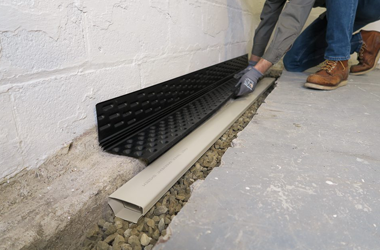
A trench is cut along the inside perimeter of your basement floor. A perforated pipe is laid in, covered with gravel, and then sealed over. This pipe catches water coming in from the walls and the floor, channeling it to a pit. That’s where the sump pump kicks in, pumping the water up and away from your house. It’s a key part of waterproofing for basement floor problems.

Pros:

  • Handles Serious Water: This is your go-to for active leaks, seepage, and groundwater rise.
  • Less Disruptive: No need to dig up your yard.
  • Highly Effective: It manages the water that gets in, which is often the most practical solution.

Cons:

    • Doesn’t Block: Water still enters your basement; it just gets collected and removed immediately.
    • Needs a Pump: You’re relying on mechanical equipment (the sump pump) that needs power and maintenance.
  • Loses a Little Floor Space: The trench and cover system sit flush with the floor but are noticeable.

This system is like installing gutters and a downspout inside your basement. It’s not about building a dam; it’s about directing the flow of water. For many homes with chronic wetness, this is the most effective solution. And that sump pump we mentioned? It’s so important, it deserves its own quick look.

Crack Injection / Wall Sealing

See a single, obvious crack where water dribbles in every time it rains? You don’t always need a whole system. Sometimes, you just need a sniper’s solution. That’s crack injection. It’s not a full waterproof basement walls strategy, but a targeted repair for a specific flaw.

A pro drills small holes along the crack, then injects a special expanding polyurethane or epoxy resin under pressure. It fills the crack from the inside out, creating a permanent, flexible seal. This is a common fix when other methods aren’t needed.

Pros:

  • Targets the Exact Problem: No guesswork. You fix the leak you see.
  • Cost-Effective for Single Cracks: Way cheaper than excavating or installing drains.
  • Minimal Mess: It’s a relatively clean, indoor job.

Cons:

  • Only Fixes the Crack You Inject: It won’t stop water from finding a new, weak spot right next to it.
  • Doesn’t Address the Cause: The crack happened for a reason (settling, pressure). This fixes the symptom, not the root issue.
  • Skill Matters: Getting the right pressure and fill requires a pro to do it right.

Think of it like using super-strong glue to fix a single, leaking seam in a boat. It works perfectly for that one spot, but it doesn’t make the whole boat watertight. If you have multiple cracks or general seepage, you’re back to looking at the sealant or drainage methods we talked about earlier.

Sump Pump Systems

You’ve heard it mentioned a few times. If an interior drainage system is the basement’s gutter, the sump pump is the downspout that kicks the water out. Sometimes, it’s the main player, especially if you already have a drain or just get a sudden flood. It’s the final answer for “how to waterproof a basement that keeps flooding?”

The way it works is that a pit (sump pit) is dug at the lowest point of your basement. A pump with a float switch sits inside. When water fills the pit, the float rises, triggers the pump, and it pushes the water out through a pipe away from your house. It’s an important piece of basement waterproofing material.

Pros:

  • Powerful Water Removal: It physically pumps large volumes of water out.
  • Essential for Flooding: The only real solution for active flooding or a high water table.
  • Backup Options: You can get battery backups so it works during a power outage (a lifesaver during storms).

Cons:

  • It’s Reactive: It only works once the water is already in the pit.
  • Can Fail: Pumps wear out, switches stick, power goes out.
  • Needs Maintenance: You must check it regularly, especially before rainy seasons.

Think of it as your basement’s dedicated bouncer, throwing water out as soon as it shows up. Now, how do you pick the right method for your home?

Choosing the Right Method for Your Home

You didn’t read all this just for a science lesson. You want to know what to do. So let’s get down to it.

Forget trying to be a hero. Your job isn’t to become a basement waterproofing expert overnight. Your job is to stop the water.

Here’s your cheat sheet:

Be a detective. Go downstairs after it rains. Is the wet spot on the wall or the floor? One crack or a bunch? Your clues point to the fix.

Be realistic about your skills. Rolling on sealant? Maybe. Digging a 6-foot trench around your house? Absolutely not.

Talk to a pro. For anything more than a damp wall, this is the step that saves you money. Get a pro to look at it. They’ll see things you don’t.

Getting a dry basement isn’t about picking the perfect solution from a blog. It’s about matching the right tool to your very specific, very annoying problem. Sometimes that’s a $50 bucket of paint. Sometimes it’s a $10,000 excavation.

But once it’s done? That’s when you get your basement back. No more smell. No more moving boxes off the floor “just in case.” You can finally put in that waterproof flooring for basements you’ve been eyeing.

And that’s the whole point, right? To waterproof the basement walls and floors so you can stop worrying about them, and start using them.

Your Path to a Dry Basement

So, there you have it. Five ways to fight a wet basement, from simple DIY sealants to full-scale excavation. The right fix depends on whether you’re seeing dampness, a trickling wall crack, or a rising floor lake. Spot the signs, match them to the method, and don’t be afraid to call for backup.

Think you’ve figured out your problem? Let J & J Development Remodeling INC. make it simple. We provide professional Basement Waterproofing, finding the right fix for your specific situation to help you get the bone-dry, usable basement you deserve. Give us a call at (661) 675-6520 or visit https://jjdevelopmentinc.com/basement-waterproofing/ to learn more and stop the damp for good.

Frequently Asked Questions

There is no single "best" method; the most effective solution depends entirely on your specific problem, whether it's minor dampness, wall cracks, or groundwater rising through the floor.

The main types of basement waterproofing are interior sealants, exterior membranes, interior drainage systems like French drains, crack injections, and sump pump installations.

Applying an interior basement waterproofing sealer is typically the most affordable upfront method for tackling minor dampness on walls and floors.

For a near-permanent solution, external basement waterproofing.

To stop water coming up through the floor, you need an interior drainage system.

ADU Construction 101: What Every Homeowner Needs to Know

ADU Construction 101: What Every Homeowner Needs to Know

If you are wondering what to know before building an ADU, you have already taken the first smart step. Maybe you are picturing a backyard cottage for your parents, a private rental unit, or just some extra space that pays for itself. Turning that picture into reality starts with understanding the basics of what ADU construction is.

Think of this guide as your friendly guide. We are going to walk through the entire journey together, from finding out if your yard is a good fit all the way to the final walkthrough. It is simpler than it seems when you take it one step at a time.

So, let us start at the very beginning. What exactly are we talking about when we say someone is building an ADU?

What Counts as an ADU?

Now, let us answer that first big question. Simply put, ADU in construction refers to the process of adding a complete, independent living space to your existing property. This is not just a fancy shed or a spare room. To truly count as an ADU, the space needs its own key ingredients: a separate entrance, a place to sleep, a full kitchen, and a bathroom.

Think of it like a mini home. It can be attached to your main house, like converting a garage or building an addition. Or it can be a completely separate little house in your backyard, often called a backyard cottage or granny flat. This versatility is what makes them so popular, whether you are creating an ADU for elderly parents who want to be close but keep their independence, or setting up a rental for a young family.

Understanding this definition is your foundation. It helps you visualize what you are building and, more importantly, it leads directly to the next logical question: can you actually build one on your property?

Determining If You Can Build an ADU

Can I build an ADU in my backyard? That is the million dollar question, right? The answer is not a simple yes or no for everyone. It really depends on your specific patch of land and your city’s rulebook.

First up, your local government has a set of local ADU codes. These are the rules that say how big your lot needs to be, how far the new building must be from your fence (these are called setbacks), and how much of your yard can be covered. It might sound like a lot, but it is just their way of making sure everything is safe and fits the neighborhood.

The best first move is to check your city’s website or call your local planning department. They can tell you the specific legal requirements for ADU projects in your area. Some places even have a quick online tool where you punch in your address to get a basic yes or no. Doing this homework upfront saves you a huge headache later, because once you know the rules, you can start dreaming about the fun part of the actual ADU layout ideas.

Planning Your ADU: Layout, Design, and Pre-Approved Plans

Now for the fun part. Dreaming up how your new space will look and work. This is where those ADU layout ideas start to come to life. Think about who will use it. Does your mom need everything on one floor? Will a tenant need a dedicated workspace? Asking these questions helps you maximize every square foot.

Here is a pro tip that can save you time and money: look into ADU pre approved plans. Many cities have a catalogue of designs that are already checked against all the local building rules. Using one of these can seriously speed up getting your ADU construction plans approved, because the city already knows they meet the code. It is like choosing from a menu instead of inventing a whole new recipe.

Whether you pick a pre approved plan or draw up something custom with a designer, the goal is the same. You are creating a set of ADU construction plans that are ready for the next step, which is all about turning those paper plans into official permission to build. 

ADU Construction Process Step by Step

Alright, you have your plans. Now, how does this whole thing actually get built? Understanding the ADU construction process helps you see the road ahead, so nothing feels like a surprise. Let us break it down into clear stages.

Step 1: The Paperwork and Permission Stage

This is all about your ADU permits. You will submit your finalized ADU construction plans to your city’s building department for review. They check everything against those ADU regulations we talked about earlier. This step requires some patience, but it makes sure your project is safe and legal from the start.

Step 2: Site Prep and Foundation

Once you have that permit in hand, the physical work begins. Crews will prepare your site and pour the foundation. This is where your backyard starts to look like a construction zone, but it is the essential base for everything that follows.

Step 3: Framing, Roof, and “Drying In”

Next, the skeleton of your ADU goes up. This is the framing, followed by the roof and exterior walls. This stage, called “drying in,” is exciting because you suddenly see the shape and size of your new space. It also protects the inside work from the weather.

Step 4: Running the Guts (Utilities)

Now, the electricians and plumbers come in to install all the wiring, pipes, and HVAC ducts. Think of this as putting in the nervous system and veins of your ADU. It is all behind the walls, but it is what makes the space livable.

Step 5: Interior Finishes and Inspections

Finally, the fun stuff you see. Insulation goes in, then drywall, paint, flooring, cabinets, and fixtures. Crucially, the building inspector will visit at key points to make sure everything meets code. Passing these inspections is your green light to finish up.

Each of these steps moves you closer to a complete, legal unit. And of course, every step in this ADU construction process has a cost attached to it, which leads us to the next big topic everyone thinks about.

ADU Construction Costs and Budgeting

Let us talk numbers. It is probably the question you have been waiting to ask: what is the real ADU construction cost? While prices change wildly based on size, finishes, and where you live, having a ballpark figure helps you plan.

So, what can you expect? For a basic, well built detached ADU, total ADU construction costs often fall between $150,000 and $300,000. A simpler garage conversion might range from $80,000 to $150,000. These figures include design, permits, materials, and labor.

To get a more precise picture for your own project, you will want a detailed ADU cost estimate from a few local contractors. This breakdown should cover site work, foundation, framing, roofing, plumbing, electrical, insulation, and all those interior finishes. Remember, the ADU construction plans you chose greatly decide this final number.

Now, this brings up another great question people have: is it cheaper to add on or build an ADU that is detached? Generally, adding on (an attached ADU) can be less expensive per square foot because it shares a wall with your main house. However, a detached unit often adds more value and privacy. The “cheaper” option truly depends on your property layout and your long term goals.

Permits, Regulations, and Legal Considerations

We have touched on permits already, but let us zoom in on why this is so important. Navigating ADU permits and ADU regulations is not just red tape. It is the process that turns your project from a great idea into a safe, legal, and valuable addition to your home.

Remember those local ADU codes we looked up in the beginning? This is where they really come into play. Your city will check that your design respects lot coverage limits, setback rules, and height restrictions. They will also make sure your plans meet all the legal requirements for ADU construction, which cover everything from electrical safety to energy efficiency standards.

The key is to see your city’s building department as a partner, not a hurdle. They are there to help you build something that is safe and lasts. Staying on top of this paperwork and scheduling required inspections during construction is what ultimately gets you that final certificate of occupancy. That little piece of paper is your official proof that your new Accessory Dwelling Unit is ready for someone to call home. 

Tips, Design Ideas, and Accessibility Considerations

Even with the official stuff handled, how you finish your ADU makes all the difference in how it feels to live in. This is your chance to inject some smart personality into the space.

If you are building an ADU for elderly family members, small choices have a big impact. Think about a step free entrance, wider doorways for a walker or wheelchair, and a walk in shower with grab bars. Planning for these features from the start is much easier than adding them later.

For any ADU, clever ADU layout ideas can make a small space feel huge. An open floor plan combines the living, dining, and kitchen areas. Using lofted beds or built in storage furniture frees up precious floor space. Large windows not only bring in cheerful light but also make the rooms feel more connected to the outdoors.

These finishing touches are what transform a construction project into a beloved home. And now that you have journeyed from the first idea to the final design details, you have a complete picture of what it takes.

Build Your Dream ADU

You have just walked through the complete ADU construction 101 guide. From asking “can I build this?” to understanding costs, permits, and clever design, you are now equipped with the knowledge to start your project with confidence. 

To make your dream space truly feel like home, you need an expert team on your side. At J & J Development Remodeling INC., we provide professional ADU construction with the right crew to help bring your vision to life. Give us a call at (661) 675-6520 or visit https://jjdevelopmentinc.com/adu-construction/ to learn more about how we can help you build.

Frequently Asked Questions

In construction, ADU stands for Accessory Dwelling Unit. It is a complete, independent living space built on the same property as your main home, with its own kitchen, bathroom, and entrance.

Generally, an attached addition (adding on) can be less expensive because it shares a wall with your house. However, a detached ADU often offers more privacy and can add more value.

No, ADU legality depends on your local city or county zoning rules. Many areas now allow them to create more housing, but you must always check your specific local ADU codes and legal requirements for ADU projects first.

An ADU can significantly increase your property value, often by much more than the construction cost, by adding rental income potential and extra living space.

The average ADU construction cost varies widely, but a typical detached unit often ranges from $150,000 to $300,000. Simpler projects like garage conversions can start around $80,000.

7 Commercial Remodeling Planning Steps in 2026

7 Commercial Remodeling Planning Steps in 2026

7 Commercial Remodeling Planning Steps in 2026

Commercial remodeling can improve efficiency, branding, and employee comfort, yet poor planning often causes delays and budget stress. Smart preparation keeps projects organized and operations stable. Each planning step below uses a different format to guide decision-makers through the process without repeating the same structure.

Step 1: Business Purpose

Remodeling should begin with clarity. Businesses often rush into design ideas without understanding what truly needs improvement. Layout inefficiencies, customer flow issues, or outdated workspaces usually drive the need for renovation. Clear purpose helps leadership focus on outcomes instead of cosmetic changes. When goals remain defined, design choices stay practical and aligned with business growth.

Step 2: Cost Control

Budget planning works best when all costs are considered early. Commercial remodeling expenses extend beyond construction alone.Key cost areas usually include:

  • Design and engineering services
  • Permit and inspection fees
  • Material and labor expenses
  • Temporary workspace adjustments
  • Contingency funds for hidden issues

Strong cost control prevents financial pressure and keeps the project moving smoothly.

Step 3: Time Planning

Timelines influence productivity more than most businesses expect. Poor scheduling disrupts teams and frustrates clients. Remodeling schedules should balance construction speed with operational needs. Peak business hours, staff availability, inspection delays, and delivery timelines all deserve attention. When time planning stays realistic, operations continue with minimal disruption.

Step 4: Legal Readiness

Permits and codes shape every commercial project. Skipping compliance steps often leads to work stoppages and penalties.Planning at this stage should address:

  • Local building permits
  • Fire safety regulations
  • Accessibility requirements
  • Electrical and plumbing codes

Early legal readiness keeps construction uninterrupted and protects the business from liability.

Step 5: Contractor Fit

Contractor selection impacts quality and speed. Commercial remodeling demands experience beyond residential projects. Builders must understand safety rules, operational environments, and coordination with multiple teams. Choosing a contractor based only on price increases risk. Experience, licensing, insurance, and communication practices matter far more for long-term success.

Step 6: Work Continuity

Operations rarely stop completely during remodeling. Business continuity planning helps teams stay productive while construction progresses.

Effective continuity plans often include:

  • Phased remodeling by area or department
  • Temporary workstations or layouts
  • Evening or weekend construction
  • Clear updates for staff and customers

Careful coordination reduces downtime and protects revenue.

Step 7: Final Checks

Completion does not end with construction. Final inspections and testing ensure safety, usability, and performance. Systems such as electrical, internet, and security must function correctly before full operations resume. Walkthroughs help identify unfinished work, while staff orientation ensures smooth adjustment to the new space.

Planning Snapshot

Focus Area

Risk Without Planning

Benefit With Planning

Purpose clarity

Scope confusion

Targeted renovation

Budget control

Cost overruns

Financial stability

Time planning

Operational delays

Predictable progress

Legal readiness

Work stoppages

Compliance safety

Contractor fit

Quality issues

Reliable execution

Work continuity

Productivity loss

Business stability

Final checks

Repeat repairs

Long-term value

Why Planning Matters in 2026

Commercial spaces now support flexible work models, stricter regulations, and higher customer expectations. Remodeling without a clear plan increases operational risk. Strategic planning transforms renovation into a controlled investment rather than a disruption.

Common Planning Errors

Many businesses still struggle due to:

  • Underestimating total project costs
  • Delaying permit approvals
  • Hiring contractors without commercial experience
  • Ignoring daily operational impact

Avoiding these mistakes protects timelines and budgets.

Final Thoughts

Commercial remodeling succeeds long before construction starts. Clear goals, realistic budgets, flexible timelines, and proper coordination protect business operations. Planning done right turns renovation into long-term value instead of short-term disruption.

Frequently Asked Questions

Business needs should be identified before design or contractor selection begins.

Planning often takes several weeks or months depending on project size and approvals.

Phased construction and off-hour work usually allow continued operations.

Commercial projects follow stricter codes and involve larger operational risks.

Many projects reserve ten to fifteen percent for unexpected issues.